
Background
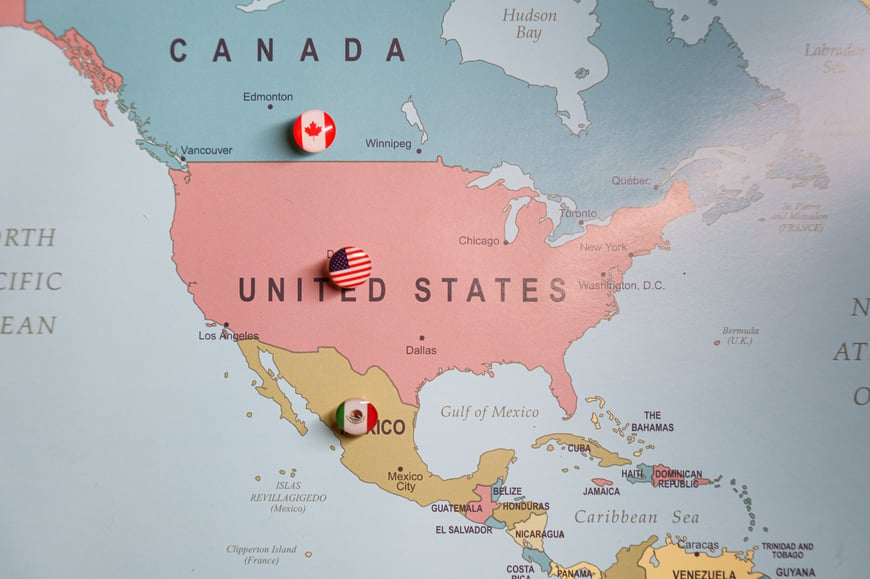
The United States-Mexico-Canada Agreement (USMCA), which replaced NAFTA in July 2020, is a trilateral free trade agreement between the United States, Mexico, and Canada. The Agreement includes a six-year review mechanism to determine whether it should be extended for another 16-year term. On July 1, 2026, the three governments met to conduct the review.
Decisions Reached
Upon evaluation, The United States decided not to renew the Agreement as it currently stands, citing trade deficits with Canada and Mexico as the primary reason. Ambassador Greer notes that the United States will continue to engage in discourse with the respective partners to address these deficits and other perceived shortcomings.
The United States will meet with Mexico the week of July 20 for another round of bilateral negotiations.
What does this mean for USMCA moving forward?
Despite the decision, USMCA will remain in effect for another decade provided all participating members agree to stay involved. Furthermore, it does not immediately impact eligibility for USMCA preferential tariff treatment.
Still, the decision does create uncertainty regarding the future of North American trade rules, and will require importers to monitor origin qualifications, compliance controls, and documentation supporting free trade claims more closely. The failure to renew the Agreement prompts yearly reviews that could potentially result in changes to certain elements of the Agreement itself. For example, these reviews allow governments to address emerging trade issues and update the agreement to reflect changing economic conditions. As negotiations proceed, businesses and relevant parties should follow developments that impact market access and compliance.
What Should Importers Do Today?
Despite headlines surrounding USMCA’s non-renewal, the practical compliance guidance remains relatively simple:
- Continue claiming USMCA where qualification exists
- Continue filing PSCs, 520(d) claims, protests, and reconciliation filings where appropriate
- Strengthen qualification analyses and record retention practices
- Review supplier certifications and origin support
- Monitor future review negotiations for potential rule changes
- Ensure compliance programs can withstand enhanced Customs scrutiny
How Tradewin Can Help
For companies that rely on North American supply chains, proper management of USMCA compliance is essential. While negotiations continue, Tradewin helps companies assess origin eligibility for preferential treatment, identify duty savings opportunities, obtain supplier certifications, and submit post-entry claims through 520(d) filings and FTA Reconciliation. Tools such as our proprietary FTA Navigator also help streamline supplier solicitation and documentation management.
What Comes Next
Although the United States declined to renew USMCA in its current form, the Agreement remains in effect and continues to provide significant benefits for qualifying importers. As negotiations and annual reviews move forward, businesses should remain focused on maintaining strong qualification analyses, supporting documentation, and compliance processes.
For a deeper examination of the review outcome and its potential long-term implications, download our white paper, USMCA at a Crossroads: What the USTR's Decision Not to Renew Means for Importers. The paper explores potential paths forward and practical considerations for businesses operating within North American supply chains.
Tradewin will continue monitoring developments and sharing insights as the negotiations evolve. In a changing trade environment, staying informed remains one of the best ways to manage risk and identify opportunity
We’ll keep you informed every step of the way.