Global trade compliance is complex, resource-intensive, and constantly evolving. For many organizations, maintaining an in-house compliance team to execute operational functions isn’t always practical. That’s where Tradewin’s TradeDesk comes in.

Global trade compliance is complex, resource-intensive, and constantly evolving. For many organizations, maintaining an in-house compliance team to execute operational functions isn’t always practical. That’s where Tradewin’s TradeDesk comes in.
Topics: Duty Drawback, Tariffs, HS Classification
.jpg?width=863&height=432&name=AdobeStock_518872441%20(1).jpg)
Trade Compliance in the US as a function has gone mainstream as tariff policy has led to increased duty exposure and added complexity to entry rules across industries. Companies now more than ever are focused on maintaining their compliance posture while compliantly avoiding and recovering duty payments wherever possible.
Topics: Duty Drawback, Tariffs, HS Classification
.png?width=863&height=361&name=Untitled%20(52).png)
U.S. Customs and Border Protection (CBP) has issued new guidance (CSMS #66319804) that significantly impacts how importers and brokers must report replacement duties under Chapter 99 of the Harmonized Tariff Schedule of the United States (HTSUS). This update specifically affects certain imports from the European Union, Japan, and the United Kingdom—and has direct implications for drawback filers seeking to preserve eligibility.
Topics: Duty Drawback, Tradewin, Tariffs, CBP
.png?width=863&height=361&name=Untitled%20(26).png)
In late winter and early spring of 2025, the United States imposed tariffs on Canadian-origin goods imported into the U.S. In response, the Canadian government introduced reciprocal surtaxes on goods of U.S. origin entering Canada. These measures have created challenges for many Canadian businesses, prompting the government to offer two distinct avenues for relief.
Topics: Tradewin, Canada, Tariffs, Import Compliance

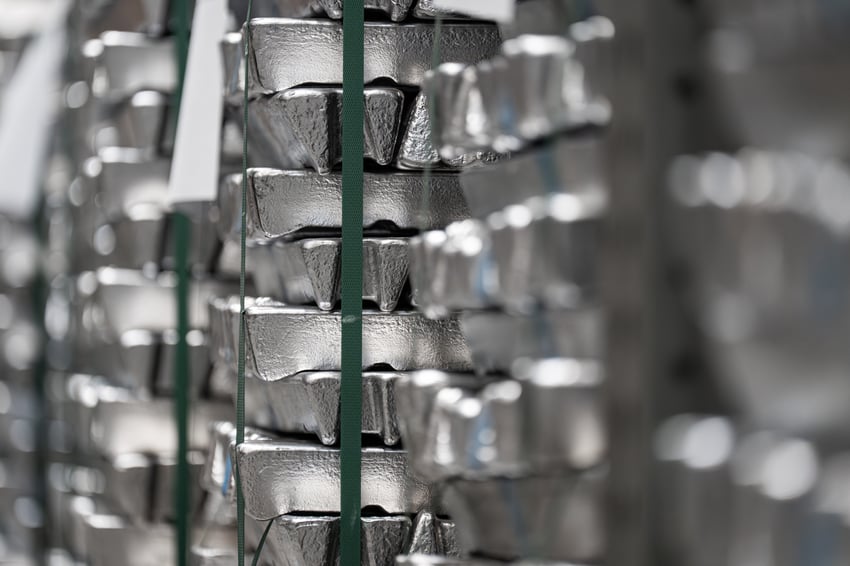
Recent updates to Section 232 tariffs have significantly increased the cost and complexity of importing aluminum, steel, and copper into the United States. Steel imports are now generally subject to a 50% tariff, except for UK-origin goods, which remain at 25%. Aluminum imports face a 50% tariff when the country of smelt and cast is properly declared, but a steep 200% tariff applies if that origin is unknown. Copper, newly added under Section 232, is subject to a 50% duty on semi-finished and derivative goods.
Topics: Tradewin, Trade Compliance, Tariffs, Import Compliance